Composite Decking vs. Wood: Pros, Cons, and What Works Best in the PNW
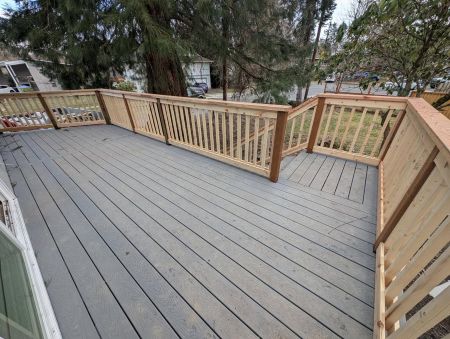
The Pacific Northwest is hard on decks. Months of rain, cool springs, and bursts of summer sun can push any material to its limit. If you are weighing composite decking vs wood for a long-lasting, low-stress outdoor space, you are in the right place. For a deeper look at materials and finishes, explore our composite decking options as you read.
How PNW Climate Affects Deck Materials
Rain and humidity allow mold and algae to grow on exposed surfaces. Freeze-thaw cycles can open hairline cracks in boards, then water seeps in and makes them worse. Coastal air adds salt that can speed up corrosion on fasteners. In urban yards that stay shaded by tall firs or neighboring homes, decks often dry slowly, which invites surface growth and slippery conditions.
Summer brings another test. Dark surfaces can heat up, especially around south-facing patios and paved courtyards that reflect light. UV can fade color and dry out unprotected wood fibers. A deck that performs year-round in the PNW must manage moisture first, then cope with sun and temperature swings without constant upkeep.
Composite Decking: What It Is and How It Performs
Composite decking is typically a blend of wood fibers and recycled plastics, often wrapped in a protective cap. That cap resists moisture penetration, helps prevent staining, and blocks most UV damage. Boards stay dimensionally stable, so they are less likely to cup or split in wet seasons. You still need basic cleaning, but upkeep is predictable and lighter than with most wood choices.
Modern composites come in cool grays, coastal browns, and warm reds. Many lines include slip-resistant textures that help in rainy months. Because composites do not need sanding or sealing, homeowners save weekend time and avoid strong-smelling finishes. Warranties commonly cover stain and fade for many years, which adds peace of mind in our variable climate.
Wood Decking: Species, Beauty, and Typical Wear in the PNW
Wood has a natural warmth that many PNW homeowners love. Cedar and redwood bring a classic look with lighter weight and pleasant aroma. Pressure-treated pine is widely available and resists insects. Tropical hardwoods offer dense grain and rich color that can be stunning when maintained.
In our rainy region, wood needs regular care. Without protective coatings, fibers take on water, then swell and shrink through the seasons. That movement can lead to checks, raised grain, and splinters in high-traffic paths. Stain and sealers slow that process, yet they weather faster here due to frequent wetting and long, cool winters. Plan for routine washing and periodic recoating to keep that wood deck safe and attractive.
Pros and Cons Side by Side
Both materials can work in the PNW. The right choice depends on how you balance beauty, time, and long-term durability. Here is how the tradeoff often looks for busy households that want dependable outdoor space.
- Composite shines in wet climates thanks to moisture resistance, color stability, and lighter maintenance routines.
- Wood offers timeless character and can be refreshed with new finishes, but it needs ongoing care to fight rot and surface wear.
- Composite edges out wood in average lifespan when upkeep is inconsistent, especially on shaded or north-facing decks.
- Wood can feel cooler under bare feet in full shade, depending on species and color, but finish schedules matter for safety and slip resistance.
Ask for documented slip-resistance ratings and compare them wet vs dry before you choose a board for stairs or a shaded walkway. Look at samples in person and wet them to mimic spring mornings or drizzly fall days. Pick a surface texture that adds grip without trapping dirt.
Heat and Comfort Underfoot
Any dark surface can feel hot after direct sunlight. Composites vary by formula and color, while hardwoods also absorb heat in deeper tones. Lighter colors in either material stay more comfortable under the summer sun. Shade from pergolas or nearby trees helps, as does airflow beneath the deck for cooling.
Dark boards placed beside light concrete or stucco can feel hotter because surrounding surfaces bounce heat upward. If your deck faces south or west, consider a lighter board, partial shade, or patterned inlays that mix tones to reduce heat buildup. Treads and landings see the most bare feet, so test those colors first.
Maintenance and Lifespan in Real PNW Conditions
Maintenance is where composite often wins for homeowners who prefer simple care. Routine rinsing and gentle scrubbing keep most composite caps looking new. With wood, you will likely plan for washing, brightening, and re-staining on a schedule that fits your exposure. Windblown needles and pollen can linger in corners, so designs that shed debris easily are smart in our evergreen-heavy neighborhoods.
Over the long run, decks last when water moves away quickly. That means careful detailing at board gaps, rail posts, and stairs. Composites maintain their look with less intervention, which helps preserve value through wet springs and long falls. Wood rewards diligent owners with rich color and grain, yet it needs steady attention to reach its potential lifespan. Use only cleaner types recommended by the manufacturer to avoid voiding coverage or discoloring the surface.
Local insight: in the PNW, allow generous airflow under the framing so boards dry after storms. Keep organic debris from piling against steps or rail bottoms, since trapped moisture encourages algae and early wear.
Sustainability and Look Over Time
Many composite lines include recycled plastics and recovered wood fibers, which reduce landfill waste. Some also offer take-back programs at the end of life. Wood can be sourced from well-managed forests and carries certifications that support responsible harvesting. Consider the whole picture: finished products over time, cleaning frequency, and how often you replace boards.
Fading happens to all materials outdoors. Composites typically lighten slightly in the first season, then stabilize. Wood changes more visibly as finishes weather. If you enjoy the ritual of seasonal care, wood’s evolving patina might appeal to you. If you prefer a set-it-and-enjoy-it look, composite holds color and texture with minimal effort.
Which Option Fits Your Home
Choose based on the conditions around your deck and how you plan to use the space. A small courtyard in constant shade has different needs than a wide, sunny deck near the coast. Think about kids, pets, and the kind of gatherings you host. Then match features to your priorities so you spend more time outside and less time managing the surface.
- Do you want the lowest yearly upkeep, or is hands-on care part of the appeal for you?
- Is the deck mostly shaded, or does it face strong afternoon sun that could heat up darker boards?
- Do stairs, ramps, or hot tub surrounds need extra traction most of the year?
- How important is long-term color consistency compared to a natural wood patina?
Installation Quality Matters
No material can overcome poor installation. Framing spans, fastener choice, and ventilation space all affect how a deck drains and dries. Hidden fasteners can create clean lines and reduce places where water sits. Correct flashing at ledger boards protects your home and helps avoid moisture problems at the connection.
When you work with Cedar Mountain Construction LLC, you get a partner who plans for drainage, airflow, and safe traffic paths before the first board is placed. For a quick overview of what we build and how we approach design, take a moment to visit our home page while you plan your project notes.
Real-World Scenarios Across the PNW
Shady, tree-lined lots around cities like Seattle, Tacoma, and Portland tend to keep surfaces damp longer. Composite caps resist swelling and staining in those zones, so stairs and landings stay more consistent underfoot. In brighter areas east of the Cascades, lighter-tone boards stay cooler and reduce heat buildup on July afternoons. On coastal homes, salt air suggests stainless fasteners and careful flashing, which benefit both wood and composite choices.
If you host frequent gatherings, a composite surface can reduce pre-party chores. A quick rinse usually removes pollen streaks and bird droppings. For homeowners who enjoy the natural look of cedar or redwood, add a seasonal reminder to check finishes before the long rainy stretch. Consistency is the key to safe treads and rails year after year.
Our Recommendation For Most PNW Homes
For households that want reliable traction, stable color, and less weekend work, composite decking is usually the better long-term fit in the PNW. It handles moisture cycles with fewer surprises and keeps its shape even in shaded backyards. Wood remains a beautiful option for owners who value natural grain and are ready to maintain finishes on a consistent schedule. Both succeed when the structure under them is dry, stiff, and well detailed.
If you are leaning toward composite, compare board cap thickness, texture, and available colors. Look at real samples in wet and dry conditions. If you prefer wood, match the species and finish to your exposure, then plan realistic care so the deck stays safe and inviting.
Next Steps
Want a side-by-side plan that fits your yard, slope, and sunlight? Review our composite decking service to see materials, textures, and build quality we trust in this climate. We will help you select boards, rails, and lighting that work with your home’s style and how you live outdoors.
Ready to compare composite decking vs wood for your PNW home and choose with confidence? Talk with the team at Cedar Mountain Construction LLC and get a clear path forward. Call us at 206-280-2155 to schedule a design consultation that fits your calendar.
Whether you need a compact landing by a side door or a large multi-level retreat, our crews build with careful drainage, clean lines, and safe transitions. Your deck should feel like a natural extension of your home, season after season.